
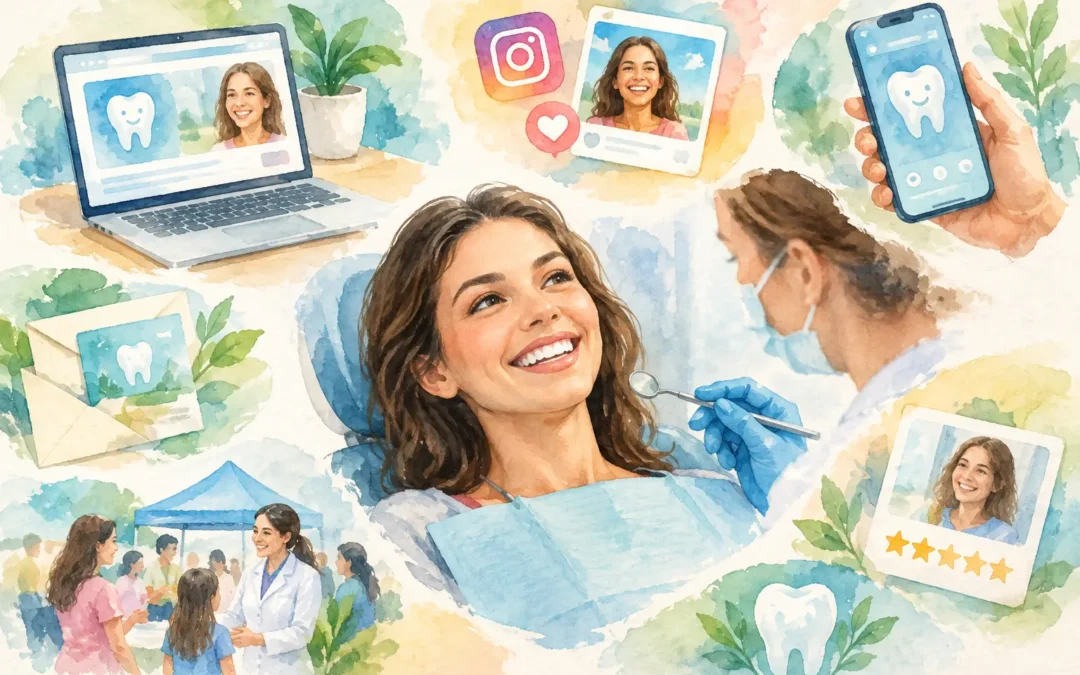
A patient with a cracked crown is not browsing dental websites for entertainment. They are looking for a nearby practice that appears credible, answers their question quickly, and makes booking feel easy. The best dental marketing examples work because they remove hesitation at every stage, from the first Google search to the scheduled appointment.
For dental practices, marketing is not about collecting vanity metrics. More followers mean little if the phone is quiet. The goal is to rank higher in local search, earn patient trust before the first call, and create a reliable flow of profitable new appointments. Here are 10 practical examples that show what that looks like when strategy and execution are aligned.
1. A Google Business Profile Built to Win Local Search
When someone searches “dentist near me,” the Google Maps results often receive the first click. A complete, actively managed Google Business Profile is one of the highest-impact assets a local dental practice can own.
A strong profile uses the correct primary category, accurate services, current hours, professional office and team photos, appointment information, and regular updates. It also answers common questions, such as whether the practice accepts new patients, provides emergency care, or offers financing. This is not a one-time setup. Hours change, photos get old, and unanswered questions create friction.
The result is stronger visibility in the map pack and a more credible first impression. It is especially valuable for practices competing in dense markets where patients have several dentists within a few miles.
2. Review Requests That Feel Personal, Not Automated
Reviews are a conversion tool. A practice with 250 recent reviews and thoughtful responses will usually earn more calls than a competitor with a polished website but only a handful of aging ratings.
One effective approach is a simple post-visit message sent shortly after a positive experience: thank the patient, ask for honest feedback, and provide a direct path to leave a review. Front-desk staff can reinforce the request in person when appropriate. The message should be warm and brief, not pushy.
The important work continues after the review arrives. Reply to positive feedback with genuine appreciation and respond to concerns professionally without discussing private treatment details. Consistent reputation management signals that the practice is attentive, accountable, and safe to choose.
3. Treatment Pages That Answer the Questions Patients Ask
Many dental websites make a costly mistake: they list services without explaining why a patient should care. A page titled “Dental Implants” with two generic paragraphs does not compete with a page that addresses candidacy, timelines, comfort, costs, financing, and expected outcomes.
A high-converting implant page can feature a clear explanation of the procedure, original photos or video from the office, patient-friendly FAQs, and a direct appointment call to action. The same principle applies to Invisalign, veneers, emergency dentistry, teeth whitening, and pediatric care.
These pages support both SEO and conversion. Search engines gain relevant content to rank, while patients get the confidence needed to contact the office. They also give Google Ads campaigns a focused destination instead of sending every visitor to the homepage.
4. Google Ads for High-Intent Emergency Searches
Emergency dental care is one area where paid search can produce fast results. Someone searching for “emergency dentist open now” has immediate intent. If your practice offers same-day care, appearing prominently for that search can create a steady source of new-patient calls.
A well-managed campaign targets tightly defined local keywords, uses call extensions, and sends traffic to a page built specifically for emergency cases. The landing page should state availability, location, accepted payment options, and what patients should do next. A vague ad pointing to a general dental homepage wastes budget.
There is a trade-off. Emergency-related clicks can be competitive and expensive. Campaigns need call tracking, location targeting, negative keywords, and ongoing optimization. Done properly, paid ads create measurable lead volume while organic rankings build over time.
5. Short Patient Testimonial Videos
A five-star review is persuasive. A relaxed patient explaining how they overcame fear, restored their smile, or received compassionate care can be even more powerful.
The best testimonial videos are short and specific. Rather than asking, “How was your experience?” ask what problem the patient had, what made them choose the practice, and how they felt after treatment. A 30- to 60-second video filmed in a clean, well-lit office can be used on service pages, social channels, Google Business Profile updates, and paid campaigns.
Always obtain written permission and avoid exaggerated claims. Authenticity wins because prospective patients recognize when a testimonial sounds scripted.
6. Before-and-After Smile Transformations
Cosmetic dentistry is visual. Patients considering veneers, whitening, bonding, or Invisalign want evidence of the quality they can expect. Carefully presented before-and-after galleries give them that evidence.
Each case should include a clear image, consistent lighting where possible, treatment details, and a brief explanation of the patient’s goals. Captions matter. Instead of saying only “veneers,” explain that the treatment addressed uneven spacing, discoloration, or worn teeth.
This type of content can dramatically improve consultations for elective treatments. However, it must be handled responsibly. Results vary, and every image requires proper patient consent. Strong marketing builds excitement without promising identical outcomes.
7. Social Content That Makes the Practice Familiar
Dental social media works best when it helps a practice feel recognizable before a patient walks through the door. A mix of staff introductions, office tours, oral health tips, treatment explainers, community involvement, and patient-approved transformations creates that familiarity.
For example, a weekly video series can answer questions patients may be embarrassed to ask: What happens during a root canal? Is gum bleeding normal? How long does Invisalign take? These are useful topics because they address the uncertainty that delays appointments.
Do not judge social media only by likes. Track profile visits, direct messages, website clicks, branded searches, and calls. For many practices, social content supports trust and recall rather than acting as the sole lead-generation channel.
8. A New-Patient Offer With a Clear Next Step
A targeted new-patient offer can make an unfamiliar practice easier to try. The offer might include a comprehensive exam and X-rays at a transparent introductory rate, or a complimentary cosmetic consultation for qualified cases.
The key is clarity. State what is included, who qualifies, and how to book. Avoid fine print that frustrates patients or offers that attract leads the practice cannot profitably serve. An aggressive discount may fill the calendar, but it can also create a poor-fit patient base.
The strongest offers are supported by a fast landing page, simple online booking or click-to-call options, and a trained front desk ready to convert inquiries. Marketing generates the opportunity. The patient experience closes the loop.
9. Local SEO Pages for the Areas You Serve
Patients commonly search by city, neighborhood, or landmark. A practice in a competitive metro area can benefit from location-focused pages that clearly explain where it serves, what services it provides, and why patients choose it.
Useful pages are not copied blocks of text with a city name swapped out. They include real local relevance, driving considerations, nearby communities, unique service information, and patient-focused answers. Search engines and patients both recognize thin content quickly.
For multi-location dental groups, each office needs its own accurate details, reviews, photographs, and local strategy. A centralized brand is helpful, but local trust is what gets the appointment.
10. A Fast Website Designed Around Calls and Bookings
Your website may be the most important dental marketing asset you own. If it loads slowly, looks dated on a phone, hides contact details, or makes visitors hunt for services, marketing dollars leak away.
A conversion-focused dental website puts the essentials in reach: phone number, online booking path, location, insurance or financing information, service pages, reviews, and clear reasons to choose the practice. It should load quickly on mobile and make it obvious what a visitor should do next.
Design matters, but performance matters more. A beautiful website that does not generate calls is an expense. A strategically built website becomes the center of SEO, paid advertising, reputation proof, and long-term patient acquisition.
Make the Right Examples Work for Your Practice
Not every practice needs every tactic at once. A newer office may need local SEO, reviews, and Google Ads to establish demand quickly. A well-established practice may see greater returns from implant campaigns, cosmetic case galleries, and conversion improvements on its website. The right plan depends on competition, treatment mix, capacity, and revenue goals.
Digital Marketing 401 brings SEO, Google Ads, websites, content, video, reputation management, and creative production together under one accountable team. When your marketing channels share the same strategy, you stop guessing where the next patient will come from and start building a system designed to bring them in.